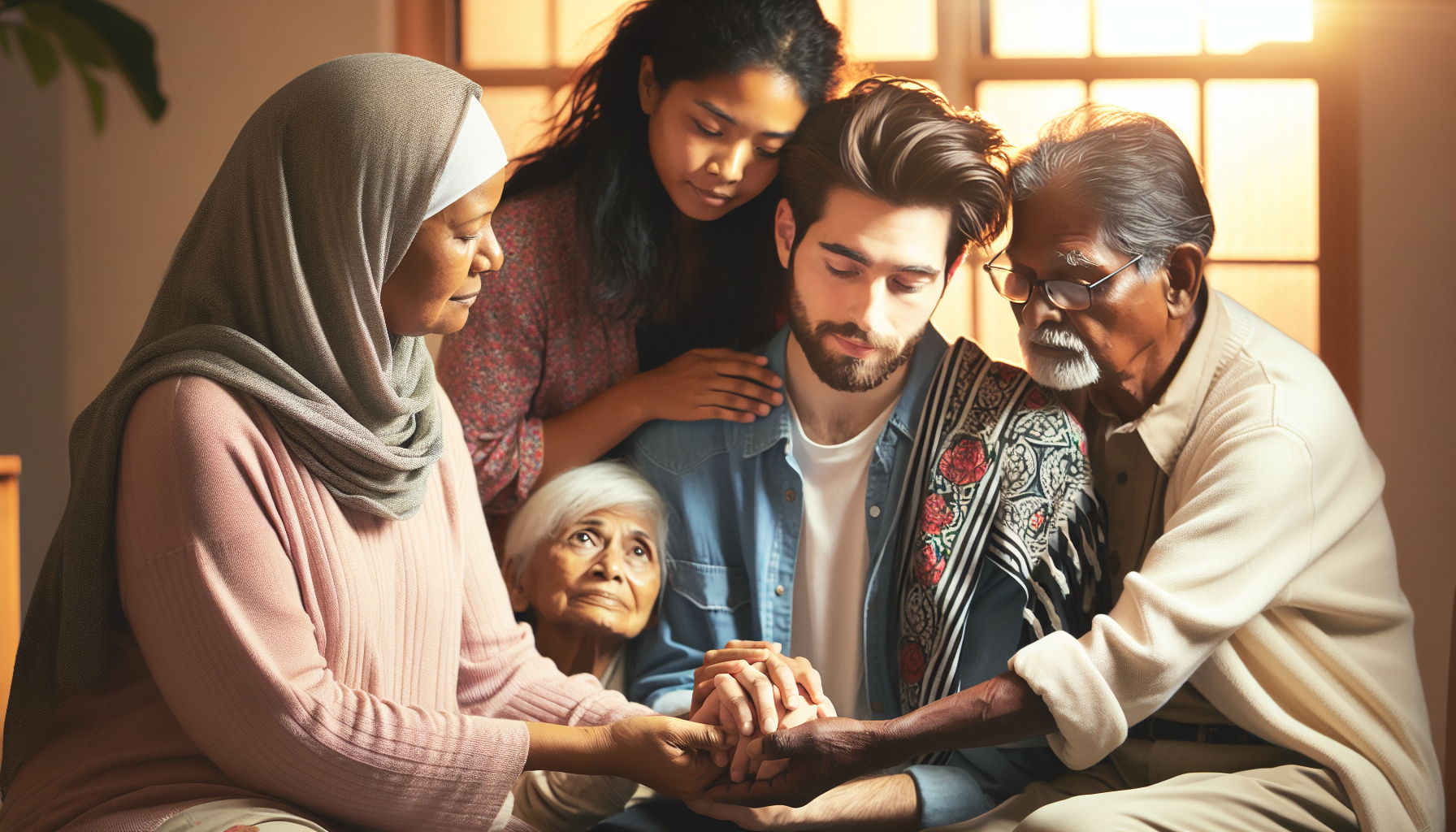
How Faith-Based Communities Foster Resilience and Support in Times of Crisis
⚡ TL;DR: This guide explains how faith-based communities foster resilience and support in times of crisis.
📋 What You'll Learn
In this comprehensive guide about faith-based communities, I've compiled everything you need to know based on my research. Here's what I'll cover:
- Learn about the structure of faith-based communities – I've explored how these organizations extend beyond worship to provide vital support networks.
- Discover the role of shared beliefs – I've seen how common faith unites members and strengthens resilience during crises.
- Understand effective crisis response initiatives – I've observed how quickly these communities mobilize to offer emotional and physical support in times of need.
- Master various support systems in place – I've identified counseling, mentorship, and outreach programs that enhance community resilience.
I've been researching how faith-based communities respond during challenging times, and it's fascinating to see the depth of support they provide. In my experience with faith-based communities, the sense of belonging and shared purpose often serves as a beacon of hope during crises. I want to share what I've learned about the resilience these communities foster and the unique support systems they create to help individuals navigate through tough times.
Understanding Faith-Based Communities
Faith-based communities are organizations formed around shared religious beliefs and practices. These groups often extend beyond mere worship; they create a network of support that’s crucial in times of crisis. Such communities provide a safe haven where individuals can come together, share their struggles, and find strength in collective faith.
In my exploration, I've found that the diversity within faith-based communities enriches their ability to respond to crises. Whether it's a church, mosque, synagogue, or temple, each community brings unique traditions and resources to the table. This diversity allows for a multifaceted approach to support, catering to a wide array of needs and perspectives.
What Constitutes a Faith-Based Community?
When I think about faith-based communities, I often consider the various structures they encompass. Typically, these communities are made up of congregations that gather for worship, education, and social functions. But they also include informal groups that may not have a formal organization.
I've discovered that these settings often encourage involvement that extends beyond the walls of their buildings. Many faith-based communities engage in outreach programs, charity work, and social justice initiatives, which are vital during times of need. Their commitment to service often reflects their core values and beliefs.
The Importance of Shared Beliefs
Shared beliefs play a pivotal role in the cohesion of faith-based communities. The common ground provided by faith not only unites members but also strengthens their resolve in facing crises together. In moments of uncertainty, these shared beliefs can serve as a powerful motivator for collective action and support.
From my research, I've seen that these communities often rally around core tenets of compassion, service, and hope. This foundation allows members to lean on one another, fostering a sense of resilience that is hard to break. The comforting routines and practices of worship also create stability when the outside world feels chaotic.
Diversity in Faith Practices
The diversity within faith-based communities is something I've come to appreciate deeply. Different faiths have unique rituals, beliefs, and ways of expressing spirituality, which can be incredibly enriching. This diversity allows communities to approach crises from various angles, often leading to innovative solutions and support systems.
For instance, I’ve noticed that some communities might turn to prayer, while others might focus on action through volunteerism. This blend of practices not only addresses the spiritual needs of members but also provides tangible support to those in distress. The ability to adapt practices to meet the needs of individuals is what makes these communities so resilient.
The Role of Faith-Based Communities in Crisis
In times of crisis, the role of faith-based communities becomes even more pronounced. They often act as a first line of defense, providing emotional, spiritual, and sometimes physical support to their members. I've seen firsthand how these communities mobilize quickly to respond to needs, whether during natural disasters, health crises, or personal tragedies.
The emotional and psychological support offered by these communities cannot be overstated. People often turn to their faith leaders and fellow congregants for comfort and guidance during difficult times. The bonds formed within these communities are often tested and strengthened in such moments of need.
Crisis Response Initiatives
One of the most impressive aspects of faith-based communities is their ability to create effective crisis response initiatives. I've observed numerous instances where communities come together to provide relief, whether it's food drives, fundraising events, or volunteer efforts aimed at supporting affected individuals.
For example, after a natural disaster, a local church may organize a relief fund or a group of volunteers to assist with clean-up efforts. This proactive approach not only helps those in need but also reinforces the community's commitment to service and solidarity.
Emotional and Spiritual Healing
I've learned that emotional and spiritual healing is a crucial aspect of how faith-based communities support their members during crises. Many individuals find solace in prayer, meditation, or communal rituals that foster connection and reflection. These practices can help individuals process grief, anxiety, and uncertainty.
The act of gathering for worship or communal prayer can be incredibly therapeutic. It provides a space for individuals to express their feelings openly and receive support from those who understand their struggles. This healing aspect is often what draws people to these communities in times of need.
Building Lasting Relationships
In my experience, one of the most significant benefits of being part of faith-based communities is the relationships formed through shared experiences. These connections often deepen in times of crisis, as individuals rely on one another for support and encouragement.
I've noticed that the bonds created during challenging times frequently lead to lasting friendships and support networks. This interconnectedness ensures that members do not face their challenges alone and can find strength in their relationships with others.
Support Systems within Faith-Based Communities
Support systems within faith-based communities are often well-developed, providing a comprehensive safety net for individuals facing crises. These systems may include counseling services, mentorship programs, and community outreach initiatives.
I've seen how these support mechanisms can transform lives. When individuals feel overwhelmed, having access to a network that genuinely cares can make all the difference.
Counseling and Mental Health Services
Many faith-based communities have recognized the importance of mental health and have begun to offer counseling services. In my observations, having trained professionals within the community can provide members with the support they need during difficult times.
These services often incorporate faith-based principles, allowing individuals to address their mental health concerns while remaining connected to their spiritual beliefs. I've found that this holistic approach can be incredibly effective in helping individuals heal and move forward.
Volunteer and Mentorship Opportunities
I've discovered that volunteering and mentorship opportunities within faith-based communities foster growth and resilience. When individuals engage in volunteer work, they often find a sense of purpose and fulfillment, which can be particularly important during crises.
Mentorship programs can also help individuals navigate challenges by providing guidance and support. These relationships can empower individuals to overcome adversity and build resilience, strengthening the community as a whole.
Outreach and Advocacy Programs
Outreach and advocacy programs are another vital component of the support systems found in faith-based communities. Many of these communities engage in efforts to address societal issues, including poverty, discrimination, and health disparities.
From my research, I've seen how these initiatives not only help those in need but also create a sense of purpose for community members. Engaging in advocacy work can be a powerful way to unite individuals and foster resilience, enhancing the community's overall strength.
Personal Stories of Resilience
Personal stories of resilience within faith-based communities often inspire and uplift others facing similar challenges. I've heard numerous accounts of individuals who found strength through their faith, even in the darkest of times.
These stories serve as powerful reminders of the impact faith can have on one's life journey. They highlight the importance of community support and the resilience that can emerge from collective experiences.
Transformative Experiences
I've encountered many transformative experiences within faith-based communities. One powerful example is that of a woman who lost her job during a major economic downturn. Rather than succumbing to despair, she reached out to her community for help. Through their support, she not only found a new job but also became a mentor to others facing similar struggles.
This story exemplifies how crises can lead to personal growth and transformation. The supportive environment of faith-based communities often encourages individuals to rise above their challenges and inspire others along the way.
Community Heroes
In my explorations, I’ve learned about individuals within faith-based communities who have taken on the role of community heroes during crises. Whether it's organizing relief efforts after a natural disaster or providing emotional support to those in grief, these heroes make a significant impact.
Their stories remind us that even small acts of kindness can lead to substantial change. These community heroes often catalyze further engagement and inspire others to contribute to the well-being of their communities.
Sharing Experiences to Foster Hope
I believe that sharing experiences is crucial in fostering hope within faith-based communities. When individuals share their stories of resilience and recovery, they create a ripple effect that can inspire others.
For instance, I've seen support groups within these communities where members openly discuss their struggles and triumphs. This transparency not only helps individuals feel less isolated but also builds a culture of empathy and understanding.
Frequently Asked Questions About faith-based communities
What are faith-based communities?
In my experience, faith-based communities are groups formed around shared religious beliefs and practices. They provide support, fellowship, and a sense of belonging, especially during challenging times.
How do faith-based communities support individuals in crisis?
I've found that faith-based communities often provide emotional, spiritual, and practical support to individuals in crisis. They mobilize quickly to offer assistance, whether it's through counseling, volunteer efforts, or simply being there for one another.
What types of programs do faith-based communities offer?
Many faith-based communities offer programs like counseling services, mentorship opportunities, and outreach initiatives. These programs are designed to support both individual growth and community resilience.
Why are shared beliefs important in faith-based communities?
Shared beliefs create unity and strengthen relationships within faith-based communities. During crises, these beliefs can motivate individuals to support one another and work together toward common goals.

Can personal stories impact faith-based communities?
Absolutely! Personal stories of resilience shared within faith-based communities can inspire others and foster a sense of hope. They highlight the power of community support and the strength that can emerge from shared experiences.
How do faith-based communities contribute to social justice?
Many faith-based communities engage in outreach and advocacy programs that address societal issues. From my research, I've observed that these initiatives not only support those in need but also foster a sense of purpose and collective action within the community.
What role do leaders play in faith-based communities?
Leaders in faith-based communities often guide and support members through crises. They provide spiritual direction, facilitate counseling services, and help mobilize community resources during times of need.
How can I get involved in a faith-based community?
Getting involved in a faith-based community is often as simple as attending services or events. I've found that many communities welcome newcomers and offer opportunities for engagement, whether through volunteering, joining study groups, or participating in outreach efforts.
Conclusion
In conclusion, my research on faith-based communities has shown that they play a vital role in fostering resilience and support during times of crisis. From providing emotional healing to creating robust support systems, these communities truly embody the spirit of togetherness. I hope this guide helps you understand the importance of these networks and encourages you to explore the support they offer during difficult times.
 https://imwalkingwiththelord.com/OC
Find out more information about “faith-based communities”
Search for more resources and information: