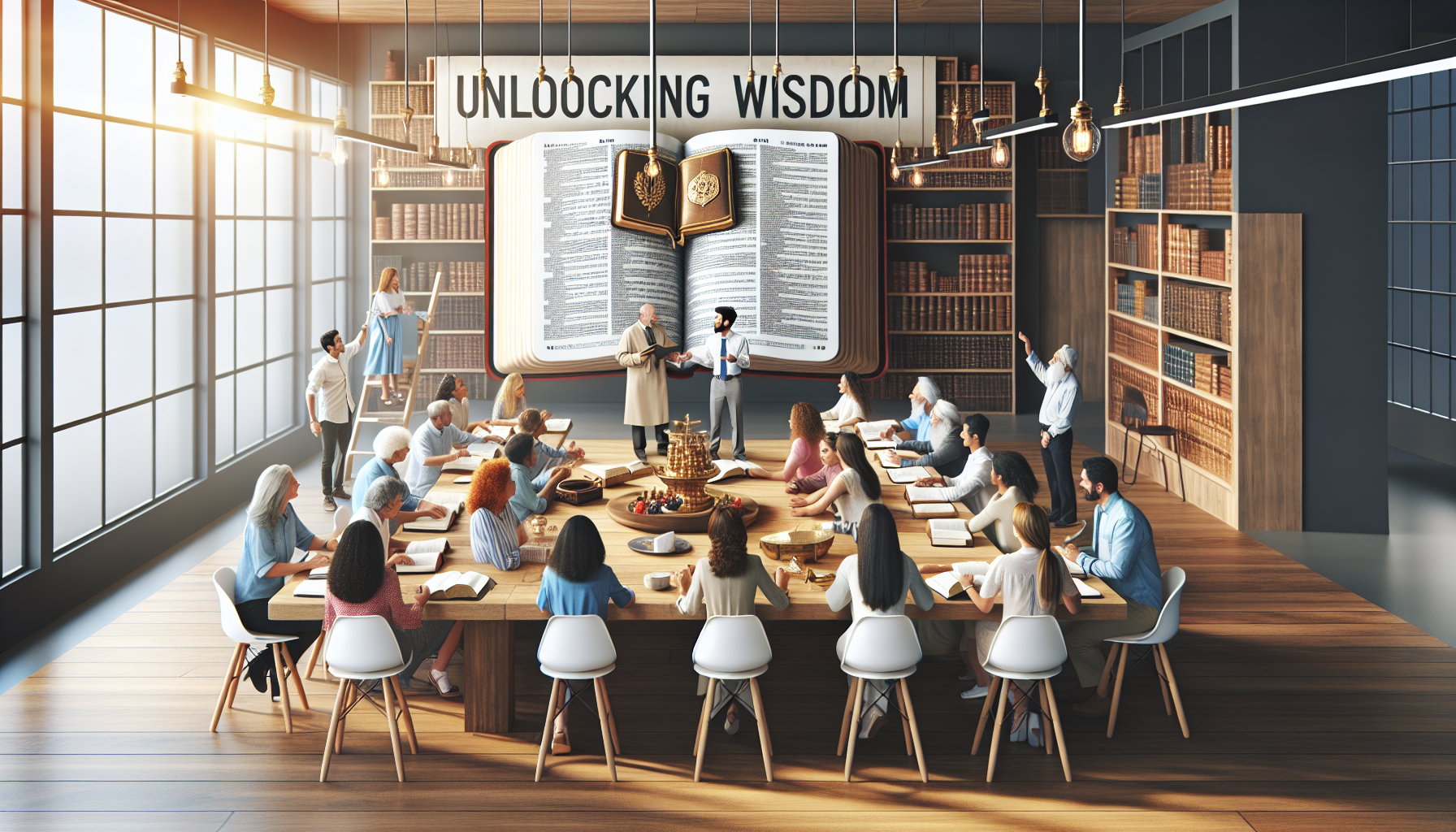
Embarking on Your Spiritual Adventure: Essential Tips on How to Read the Bible for Beginners
⚡ TL;DR: This guide explains how to read the Bible for beginners.
📋 What You'll Learn
In this comprehensive guide about how to read the Bible for beginners, I've compiled everything you need to know based on my research. Here's what I'll cover:
- Understand the Bible's Structure – I've learned that the Bible is divided into the Old and New Testaments, each with unique themes.
- Choose the Right Translation – I recommend starting with accessible translations like the NIV or ESV for beginners.
- Develop Effective Reading Techniques – Setting a consistent reading schedule and journaling my thoughts has enhanced my understanding.
- Engage in Discussions – I've found that discussing insights with others deepens my comprehension and reveals new perspectives.
I've been researching how to read the Bible for beginners, and I want to share what I've learned. It's such a rich text that can feel daunting at first, but with the right approach, it becomes a profound journey. In my experience with how to read the Bible for beginners, I've discovered that starting with the right mindset is crucial.
The Bible is not just a book; it's a collection of stories, poetry, and teachings that have influenced millions. Learning how to read the Bible for beginners can open the door to spiritual growth and understanding, and I’m excited to guide you through this adventure.
Understanding the Basics of the Bible
Getting acquainted with the Bible's structure is essential for anyone looking to delve into its pages. The Bible is divided into two main sections: the Old Testament and the New Testament. Each of these sections contains various books, which range from historical narratives to poetry and prophecy.
I've realized that understanding the context of these books enhances the reading experience. For instance, the Old Testament focuses on the history of the Israelites, while the New Testament centers on the life and teachings of Jesus Christ. This foundational knowledge provides a framework for interpreting the messages conveyed throughout.
The Old Testament: A Historical Perspective
From my research, the Old Testament is a treasure trove of history, law, and poetry. It's divided into categories: the Torah, the Historical Books, the Wisdom Literature, and the Prophets. Each category serves a unique purpose, providing insights into the relationship between God and humanity.
For beginners, I recommend starting with the Torah, which includes Genesis, Exodus, Leviticus, Numbers, and Deuteronomy. These books lay the groundwork for understanding the rest of the Bible. I've often found that reading these early texts helps to frame later narratives in the New Testament, making them more relatable.
The New Testament: The Life of Jesus
The New Testament introduces the life of Jesus and the early church. It consists of the Gospels, the Acts of the Apostles, the Epistles, and Revelation. Learning how to read the Bible for beginners often starts with the Gospels—Matthew, Mark, Luke, and John—because they provide a direct account of Jesus's teachings and actions.
When I first approached the New Testament, I was struck by the depth of Jesus's parables and the profound moral lessons they convey. For beginners, reading these stories can spark inspiration and reflection, making the text feel more accessible and applicable to everyday life.
The Importance of Context
Context is everything when it comes to understanding the Bible. Each book was written in a specific historical and cultural environment, which influences its content. As I read more, I discovered that many verses might seem obscure without proper context.
I recommend using study guides that provide background information on the authors, the intended audience, and the historical circumstances surrounding each book. This approach has enriched my understanding and appreciation of the text, making it feel like a conversation across time rather than a distant relic.
Choosing the Right Translation
Selecting an appropriate Bible translation is crucial for beginners. There are numerous versions available, each with its own style, tone, and level of readability. When I first started reading, I found it helpful to have a translation that resonated with my understanding and comfort level.
Some popular translations include the New International Version (NIV), the English Standard Version (ESV), and the New King James Version (NKJV). Each offers a different balance between literal accuracy and readability, which is important for beginners.
Common Translations Explained
The NIV is known for its accessibility and is often recommended for those new to the Bible. It presents the text in contemporary English, making it easier to grasp. On the other hand, the ESV leans towards a more literal translation, which can be beneficial for in-depth study.
I've experimented with multiple translations, and I recommend starting with the NIV or the ESV. This way, you can get a feel for the language and gradually explore others as you become more comfortable.
Using Parallel Bibles
One effective technique I've discovered is using a parallel Bible, which displays multiple translations side by side. This format allows me to compare different interpretations of the same verse, deepening my understanding of the text.
When I was learning how to read the Bible for beginners, this approach helped me appreciate the nuances in language and meaning. It’s fascinating to see how different translators interpret the original texts, often revealing layers of meaning that I might have missed otherwise.
Digital Resources for Translation
In today’s digital age, there are various applications and websites that provide access to multiple translations of the Bible. I've found resources like YouVersion and Bible Gateway incredibly useful. They allow me to switch between translations effortlessly, enhancing my study experience.
These tools often include additional features, such as reading plans and commentaries, which can be invaluable for beginners. They empower me to explore the Scriptures in a way that feels engaging and interactive, which is essential for maintaining interest and understanding.
Effective Reading Techniques
To truly grasp how to read the Bible for beginners, developing effective reading techniques is essential. Just like any other book, the Bible requires an approach that caters to its unique content and structure.
I've come to appreciate that setting aside dedicated time for reading can significantly enhance my comprehension. Whether it’s a few minutes each day or a longer session once a week, consistency is key.
Setting a Reading Schedule
Establishing a reading schedule has been a game changer for me. I recommend starting small—perhaps reading one chapter a day or focusing on a particular book for the week. This method allows me to digest the material without feeling overwhelmed.
For beginners, I suggest using a reading plan that guides you through the Bible systematically. I've found that having a structured approach aids in retaining the information and encourages me to stay committed to my spiritual journey.
Journaling Your Thoughts
Journaling has become an integral part of my Bible reading routine. After each reading session, I take a moment to jot down my thoughts, questions, and insights. This practice not only helps me process what I’ve read but also allows me to track my spiritual growth over time.
When I revisit my journal entries, I often discover patterns in my understanding and areas where I’ve grown. It’s a powerful tool for reflection and can be particularly beneficial for those learning how to read the Bible for beginners.
Discussing with Others
Engaging in discussions with others can significantly enhance your understanding of the Bible. I’ve participated in study groups where we share insights and interpretations, which has opened my eyes to different perspectives.
Sharing thoughts with fellow readers has helped me grasp complex passages and encouraged me to think critically about the text. I recommend finding a community, whether a local church group or an online forum, to foster these discussions as you embark on your journey of how to read the Bible for beginners.
How to Read the Bible for Beginners: Practical Tips
Now that we’ve covered the basics, let’s dive into some practical tips specifically for how to read the Bible for beginners. These strategies can make your reading experience more meaningful and enjoyable.
First, consider using a study Bible, which includes notes, maps, and other resources that provide context. From my experience, having these additional materials has enriched my understanding and made the text come alive.
Start with the Gospels
I always recommend starting with the Gospels when learning how to read the Bible for beginners. The accounts of Jesus's life and teachings offer a foundation for understanding the entire narrative of Scripture.
When I first read the Gospels, I was captivated by the stories and the lessons they imparted. Focusing on these texts can help you form a personal connection with the message of the Bible, making it more relatable and applicable to your life.
Use Supplemental Materials
Supplemental materials, such as commentaries and devotionals, can provide valuable insights as you read. These resources often explain difficult passages, contextualize the text, and offer reflections that can deepen your understanding.
I've found that pairing my reading with a devotional has helped me apply biblical principles to my daily life. It transforms the reading from a solitary activity into a conversation with God that extends beyond the pages.
Pray for Understanding
Finally, I can’t emphasize enough the importance of prayer in this journey. Before diving into your reading, take a moment to pray, asking for guidance and understanding. I’ve experienced incredible clarity and insight when I approach the text with an open heart and a desire to learn.
Incorporating prayer into my reading routine has transformed how I engage with the Bible. It invites a deeper connection with the text and allows me to reflect on its meaning in my life more profoundly.
Frequently Asked Questions About how to read the bible for beginners
What is the best translation of the Bible for beginners?
In my experience, the New International Version (NIV) is an excellent choice for beginners. Its contemporary language makes the text accessible while remaining faithful to the original meanings. I recommend starting with it before exploring other translations.
How often should I read the Bible as a beginner?
I suggest starting with a few minutes each day or dedicating time once a week. Establishing a consistent reading schedule has helped me absorb the content more effectively without feeling overwhelmed.
How to read the Bible for beginners without getting overwhelmed?
To avoid feeling overwhelmed, I recommend starting with the Gospels and setting small, manageable reading goals. Focusing on one chapter at a time allows you to reflect without the pressure of needing to read large sections at once.
What should I do if I don’t understand a passage?
When I encounter challenging passages, I find it helpful to consult supplemental materials such as commentaries or online resources. Additionally, discussing with friends or a study group can provide clarity and different perspectives.

How can I apply what I learn from the Bible to my life?
Applying biblical principles to daily life can be achieved through reflection and journaling. After reading, I jot down my thoughts and how the passages relate to my experiences, which helps me integrate the teachings into my everyday decisions.
Is it necessary to read the Bible in a specific order?
No specific order is necessary, but I recommend starting with the Gospels for foundational understanding. As I read more, I branch out to other texts, allowing for a comprehensive view of biblical themes.
How to read the Bible for beginners when there’s little time?
If time is limited, I recommend focusing on one chapter or even a few verses each day. Short, consistent readings can be more impactful than trying to tackle large sections at once.
What role does prayer play in reading the Bible?
In my journey, prayer has been essential. I always take a moment to pray before reading, asking for insight and clarity. This practice invites a deeper connection and understanding of the text.
Conclusion
In conclusion, my research on how to read the Bible for beginners has shown me that it’s a journey best taken with intention and curiosity. The tips I've shared are designed to help you navigate the text with confidence and understanding. I hope this guide helps you embark on your own spiritual adventure, discovering the profound insights the Bible has to offer.
Find out more information about “how to read the bible for beginners”
Search for more resources and information: